Decide between a freelancer or agency with All In Motion, global B2B creative leaders operating from Mumbai, Pune, Poland, & Canada.


From Our Blog
—
From Our Blog
—
From Our Blog
—
From Our Blog
—
From Our Blog
—
From Our Blog
—
Explainer Video Company vs. Freelancer: What Enterprise Brands Should Know Before Hiring

Share:
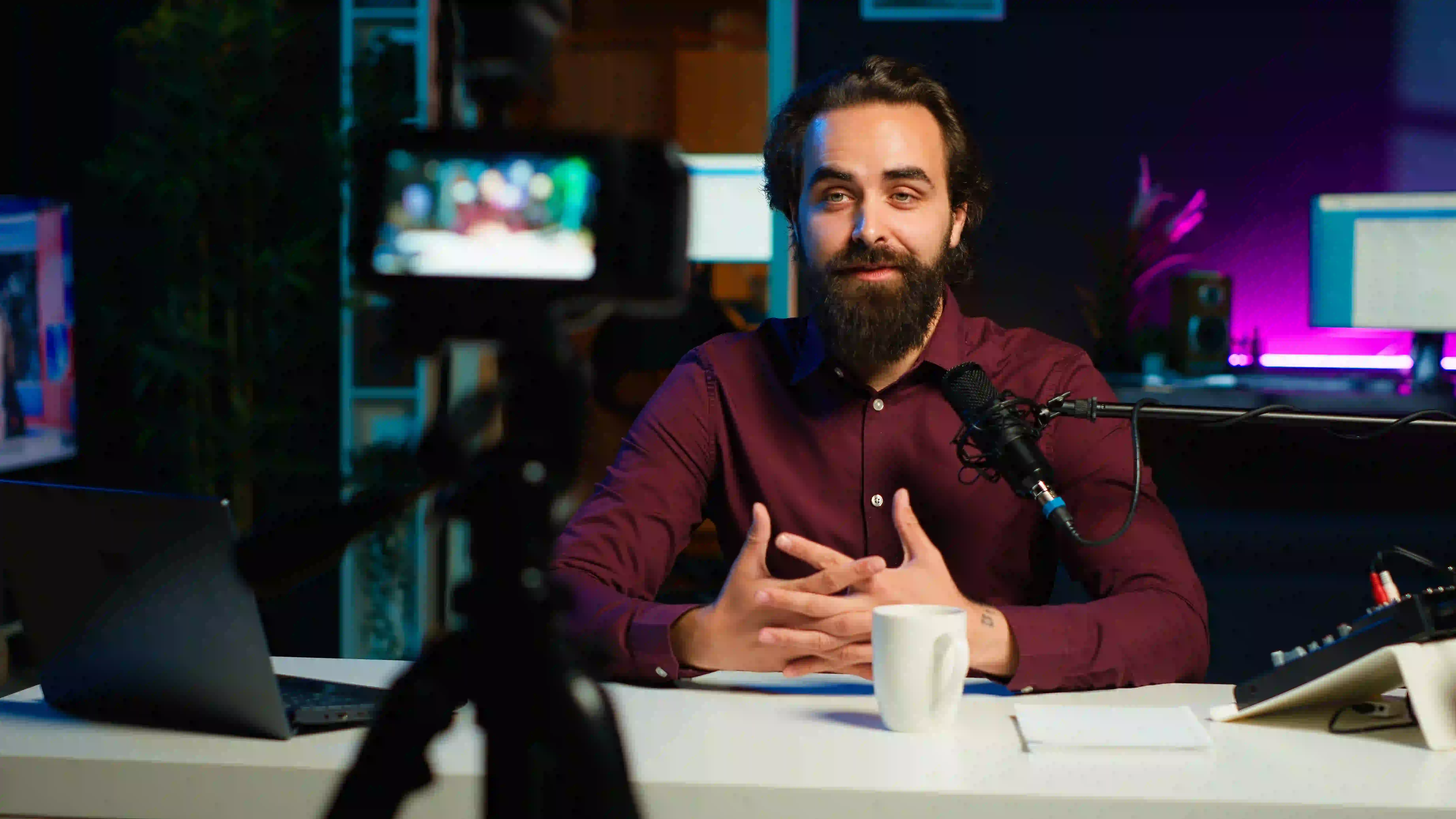
An explainer video looks like a simple deliverable on paper; sixty to ninety seconds, a script, some visuals, a voiceover. That simplicity is exactly why so many enterprise marketing teams default to the "cheap freelancer" route for their first one and why so many of them end up regretting it by the third revision cycle.
The freelancer route isn't wrong. For a low-stakes internal video or a quick concept test, it can be the right call. But for a video that will sit on your homepage, open a sales deck, or represent a product to a buying committee, the real cost comparison isn't the invoice; it's the total cost of getting to a finished, on-brand, effective video, including every hour your team spends managing the process along the way.
This piece breaks that comparison down honestly, without pretending a freelancer is always the wrong answer or that an agency is always worth the premium. It also includes a briefing template that will improve your outcome regardless of which route you choose, because most explainer video failures from either a freelancer or an agency; trace back to a weak brief, not a weak execution.
Why the "Cheap Freelancer" Route Often Costs More in Revisions
The appeal of a freelancer is obvious a lower day rate, direct communication, and the sense of a lean, fast process. For a well-scoped, simple project, that appeal is often justified. The problem shows up when the project has any real complexity; a technical product to explain, multiple internal stakeholders who need to sign off, or brand guidelines that need to be followed precisely.
Here's the pattern that plays out repeatedly with enterprise teams:
A freelancer is hired for a fixed, attractive price. The first draft comes back reasonably close, but not quite right, the script oversimplifies a technical point, or the visual style doesn't match brand guidelines closely enough. A revision round is requested. Because the freelancer is a single person handling script, design, animation, and voiceover sequentially rather than in parallel, each revision round takes longer than expected; often because changing the script now requires re-recording voiceover and re-timing every animation that followed it. Three or four rounds later, the "quick and affordable" project has consumed more calendar time than a structured agency engagement would have, and the per-revision cost in your team's time, if not in direct billing, has quietly erased the original savings.
This isn't a knock-on freelancer as professionals. It's a structural reality; one person, however skilled, cannot parallelize script development, illustration, animation, voice casting, and sound design the way a team can. When a project needs to move through revisions quickly and stay aligned to a brand guideline across multiple checkpoints, sequential single-person production is a real constraint, not a personality issue.
Section 1: What a Full Explainer Video Company Offers That a Solo Freelancer Can't

The core difference isn't talent; many freelancers are excellent at their individual craft. The difference is specialization and parallel capacity across the disciplines an explainer video actually requires.
Dedicated scriptwriting, separate from animation
A strong explainer video starts with a script written by someone who thinks in narrative structure and message hierarchy; what to say first, what to cut, how to make a technical concept land in 30 seconds. In an agency, this is typically a distinct role from the animator, which means the script gets developed and stress-tested on its own merits before a single frame is animated. A freelancer generalist often writes and animates simultaneously, which can mean weak narrative structure gets locked in simply because reworking it later means reworking the animation too.
Professional voiceover casting and direction
Voice matters more than most briefs account for; tone, pacing, and accent all shape how trustworthy and clear a video feels to a B2B audience. An explainer video company typically has access to a roster of professional voice talent and the ability to direct a recording session for pacing and emphasis. Freelancers often rely on a single go-to voice artist or, in lower-cost engagements, use AI-generated voiceover without the same level of directed nuance, which can be perfectly fine for some projects, but is worth knowing about upfront rather than discovering in the final delivery.
Sound design as a distinct craft
Background music, sound effects timed to on-screen action, and audio mixing are frequently the difference between an explainer video that feels polished and one that feels like a slideshow with narration. Sound design is a specialized skill, and in a full-service company it's typically handled by someone whose entire job is audio, not folded into the animator's already full workload.
Localization and multi-language delivery
For enterprise brands operating across markets, this is often the single biggest gap freelancers can't close. Producing a localized version of an explainer video; new voiceover, re-timed on-screen text, culturally adapted visual references where needed requires a workflow most solo freelancers simply aren't set up to run. A company built for global delivery can produce five language versions of the same explainer video with consistent visual quality and controlled terminology across all of them; this is genuinely difficult to replicate reliably with a single freelancer per language.
Project management and revision structure
Perhaps the most underrated difference; a company assigns a project manager whose job is to structure revision rounds, consolidate stakeholder feedback, and keep the project on a defined timeline. With a freelancer, that coordination burden typically falls back on you; chasing status updates, consolidating your own team's notes before sending them over, and absorbing delays when the freelancer is mid-project for another client.
Section 2: Cost vs. Turnaround vs. Quality, An Honest Trade-off Comparison

A corporate professional reviewing paperwork and making a call, representing the project management required when hiring an explainer video freelancer.
No single option wins on every dimension. Here's a straightforward comparison based on how these engagements typically play out for a standard 60–90 second B2B explainer video.
The honest read: if you have a genuinely simple, well-scoped project, a strong internal reviewer, and low tolerance for a higher upfront cost, a skilled freelancer can deliver good value. If your explainer video needs to survive a multi-person review cycle, represent the brand precisely, or exist in more than one language, the total cost of ownership including your own team's time, usually favours a structured company, even at a higher headline price.
Section 3: A Briefing Template That Gets Better Output Either Way
Regardless of which route you choose, the single biggest predictor of a smooth explainer video project is the quality of the initial brief. Use this template before you approach either a freelancer or an agency, it will improve your outcome with both.
1. The core message, in one sentence. What is the one thing you need the viewer to understand or believe after watching? If you can't compress this to one sentence, the script won't be able to either.
2. The audience and their starting knowledge. Who is watching this, and what do they already know? An explainer aimed at a technical buyer needs different depth than one aimed at a first-touch prospect. Be specific "IT procurement managers at mid-size enterprises who have never heard of our category" is far more useful than "our customers."
3. The action you want after viewing. Should they click through to a demo, forward it to a colleague, remember one differentiator during a sales call? This determines the tone, pacing, and closing frame of the script.
4. Brand and visual constraints; stated explicitly, not assumed. Provide the actual brand guideline document, approved colour palette, typography, and any existing visual assets. Don't assume "they'll figure it out from our website", this single gap causes more revision rounds than any other brief omission.
5. Tone reference examples; what to emulate and what to avoid. Link two or three existing videos (yours or a competitor's) that represent the tone you want, and one that represents a tone you specifically want to avoid. This is far more effective than describing tone in adjectives alone.
6. The internal review process, defined upfront. Who reviews each draft? In what order? Is there a single consolidator, or will the vendor receive feedback from multiple people directly? Set this before the project starts, not after the first draft causes confusion.
7. Non-negotiables versus flexible elements. Separate what absolutely cannot change (a specific claim, a legal disclaimer, a required product name) from what's open to the creative team's judgment (visual metaphors, pacing choices, minor script phrasing). This distinction alone prevents a huge share of unnecessary revision cycles.
8. Timeline and any fixed launch date. State the real deadline, and whether there's flexibility. A vendor who knows the true constraint upfront can flag risk early rather than discovering it two weeks before launch.
A brief built on this template takes perhaps an hour longer to prepare than a two-paragraph email and it routinely saves multiple revision rounds later, regardless of whether you're working with a freelancer or a full explainer video company.
Making the Right Call for Your Project
There's no universally correct answer between hiring a freelancer and hiring an explainer video company; the right choice depends on the stakes, the complexity, and how many markets and stakeholders the video needs to serve. What matters is making the decision deliberately, with an honest view of the trade-offs, rather than defaulting to the lowest quote and discovering the real cost three revision rounds in.
For enterprise brands producing explainer videos that need to hold up across multiple stakeholders, markets, and languages and that need to be right the first time because they will represent the brand at scale, a structured explainer video company with in-house scriptwriting, voiceover direction, sound design, and localization capability is generally the more reliable investment. All In Motion works with enterprise brands including Capgemini, TCS, Wipro, Genpact, EY, HCL and many more from production hubs in India (Mumbai and Pune), alongside teams supporting clients across Poland and Canada, to produce explainer video content built for exactly that level of scale and precision. Get in touch to talk through your next explainer video project.
Frequently Asked Questions